
SCIENCE AND RESEARCH
Blue Whale
Mexico has the largest known population of this blue whales in the world.
This project includes monitoring expeditions in key areas, the use of telemetry and tagging, and the compilation of all this information into a catalog. This will allow us to gather detailed data on the population, such as births and migration patterns.
We will also collaborate in designing maritime routes for cargo ships, cruise ships, and ferries, and ensure that all calves born in this region are officially recognized as Mexican.


Pelagic species
We work hand in hand with ORGCAS, a women-led collective in Baja California Sur, to support Project Shark, which aims to provide a sustainable livelihood alternative for fishers traditionally engaged in shark fishing. The project promotes conservation tourism and involves the community in citizen science to build a baseline for the area, including the study and tagging of other pelagic species.
Biological stations
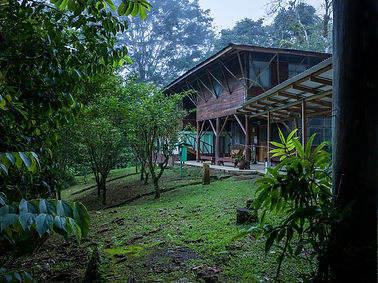
Biological stations are research centers located in strategic natural areas, where ecosystems are monitored and biodiversity is studied on an ongoing basis. Their importance lies in generating key scientific data for conservation, assessing the impacts of climate change and other threats, and serving as a foundation for environmental policy.
In addition, many stations promote education, conservation tourism, and collaboration with local communities, strengthening the sustainable management of these territories.
At FOMARES, we aim to support the development and implementation of new biological stations across the country.

Satellite tags in different species
Satellite tags provide us with information about the movement of different species. By tagging an animal, you can track its movements for days, months, or even years.
This information helps identify breeding grounds, aggregation sites, fishing areas, and migratory routes — all of which can be used to support the creation of protected areas or support other public policy initiatives.